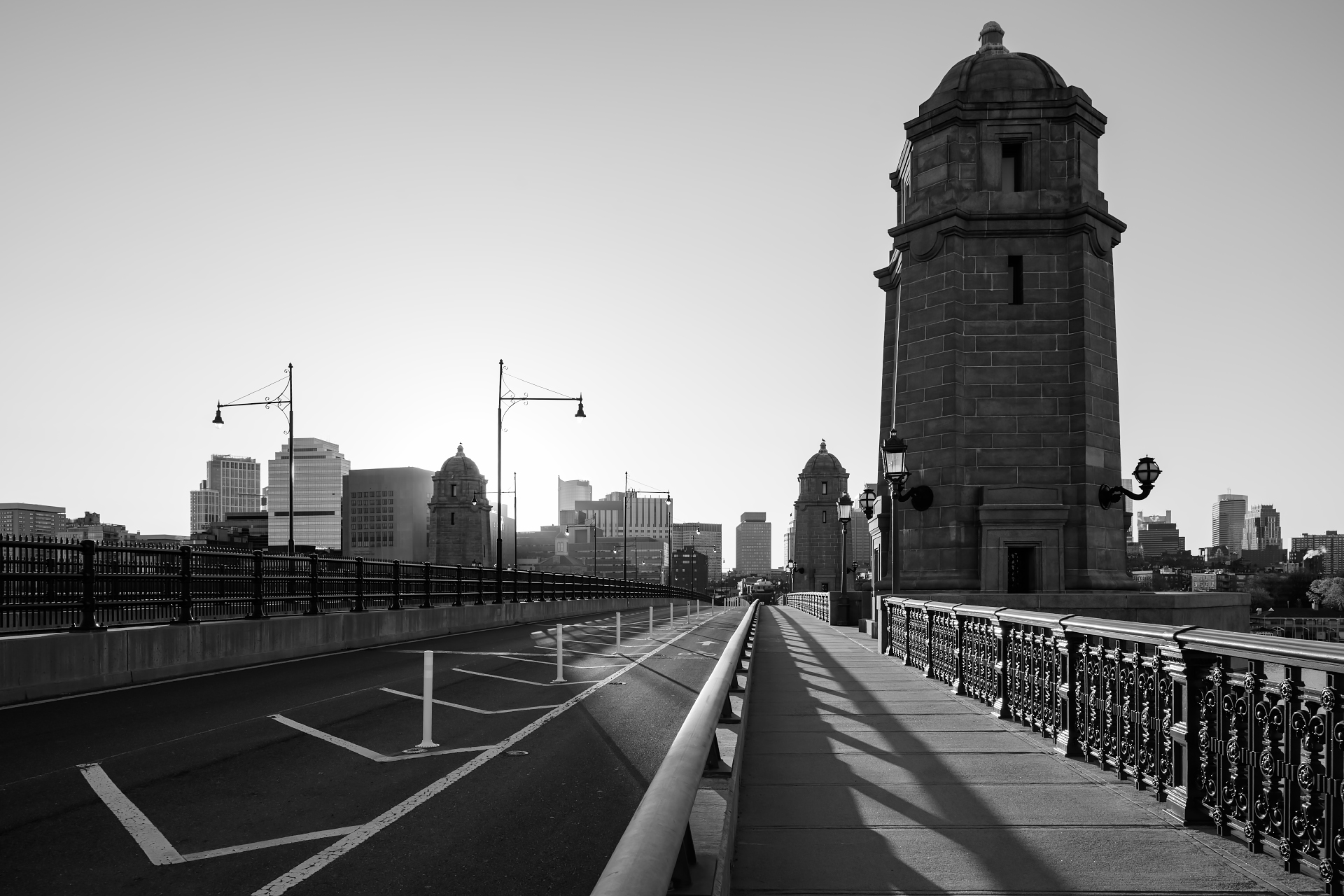
I was eager to get out for another sunrise walk, and the Longfellow Bridge turned out to be the right place to spend my Saturday morning.
It has always fascinated me how, in some cities, there’s a narrow window where they feel like they belong to no one in particular. A brief stretch of time where the noise hasn’t arrived yet and everything feels temporarily still.
After parking near 1 Memorial Drive, I started making my way toward the bridge and couldn’t help but notice how empty everything felt. Not a single person in sight, which is rare for such an iconic spot, especially at sunrise. It’s such a photographed spot that I kept thinking — where is everyone?
At the same time, I caught myself thinking about how often this scene gets photographed, and how much of photography today has shifted into the hands of phone cameras. I’m not sure what that changes yet, or if it changes anything at all, but it’s something I keep reflecting on.
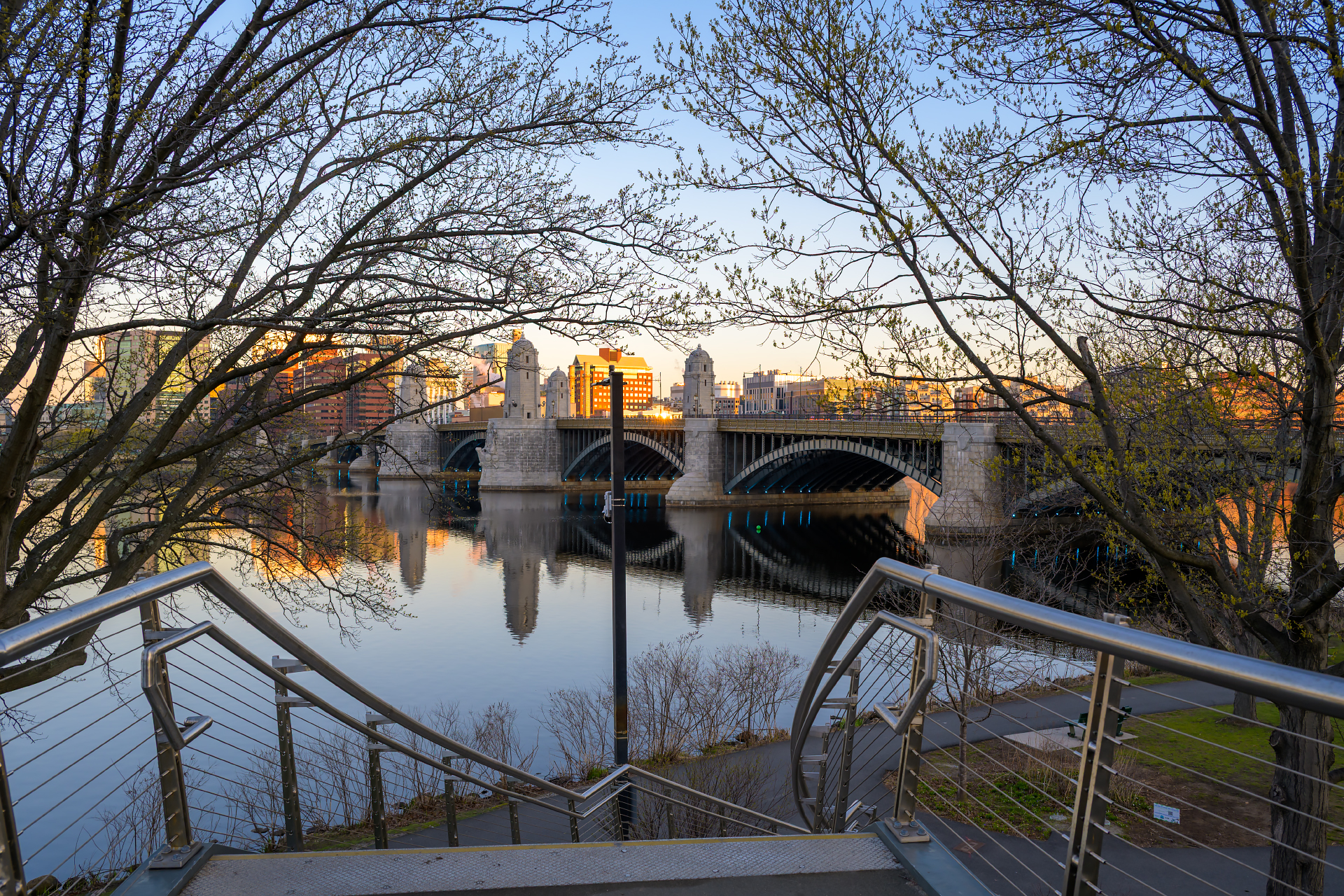
From there, I stepped onto the bridge and started across toward Beacon Hill, making a few stops at the pedestrian overlooks to work out the angles.
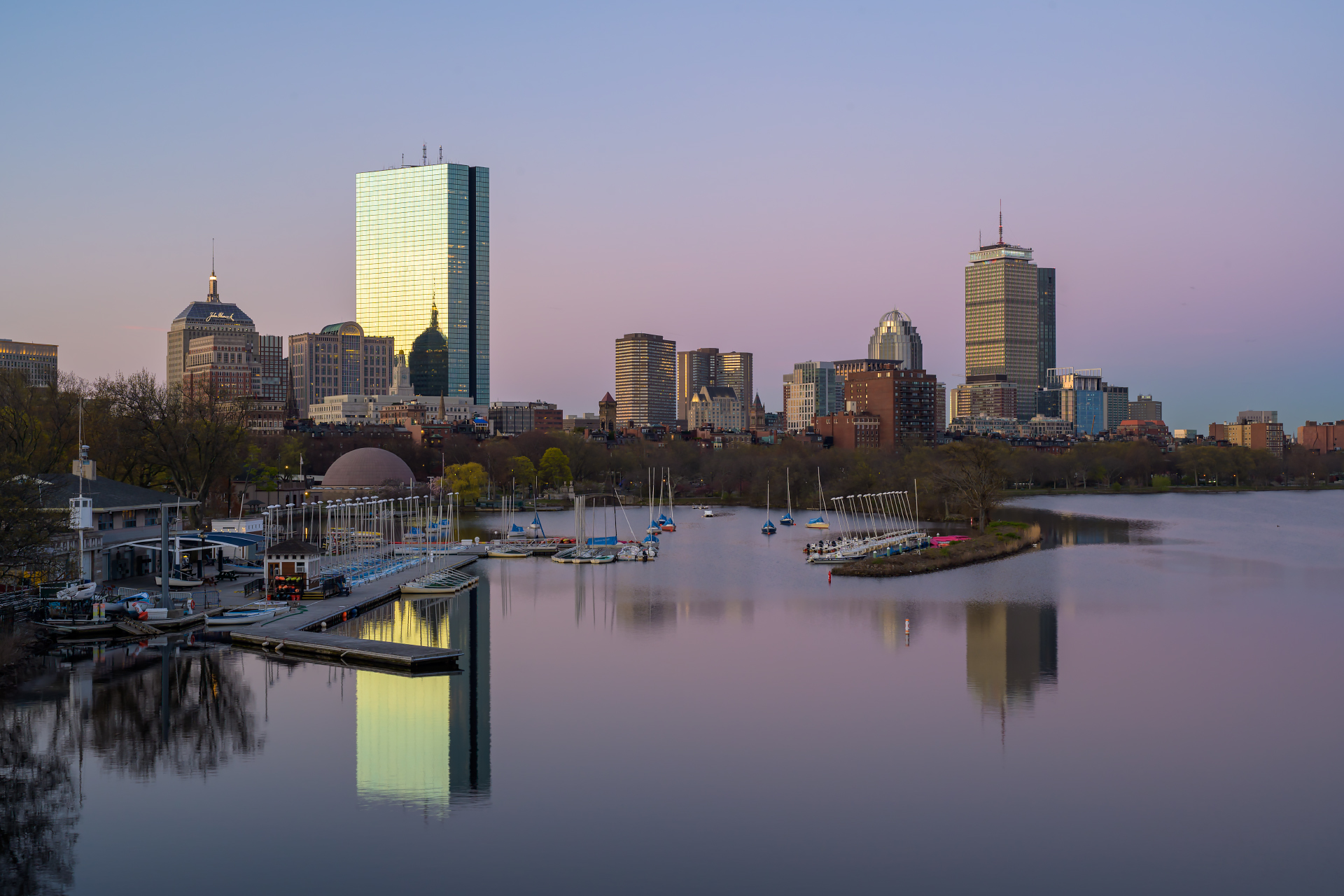
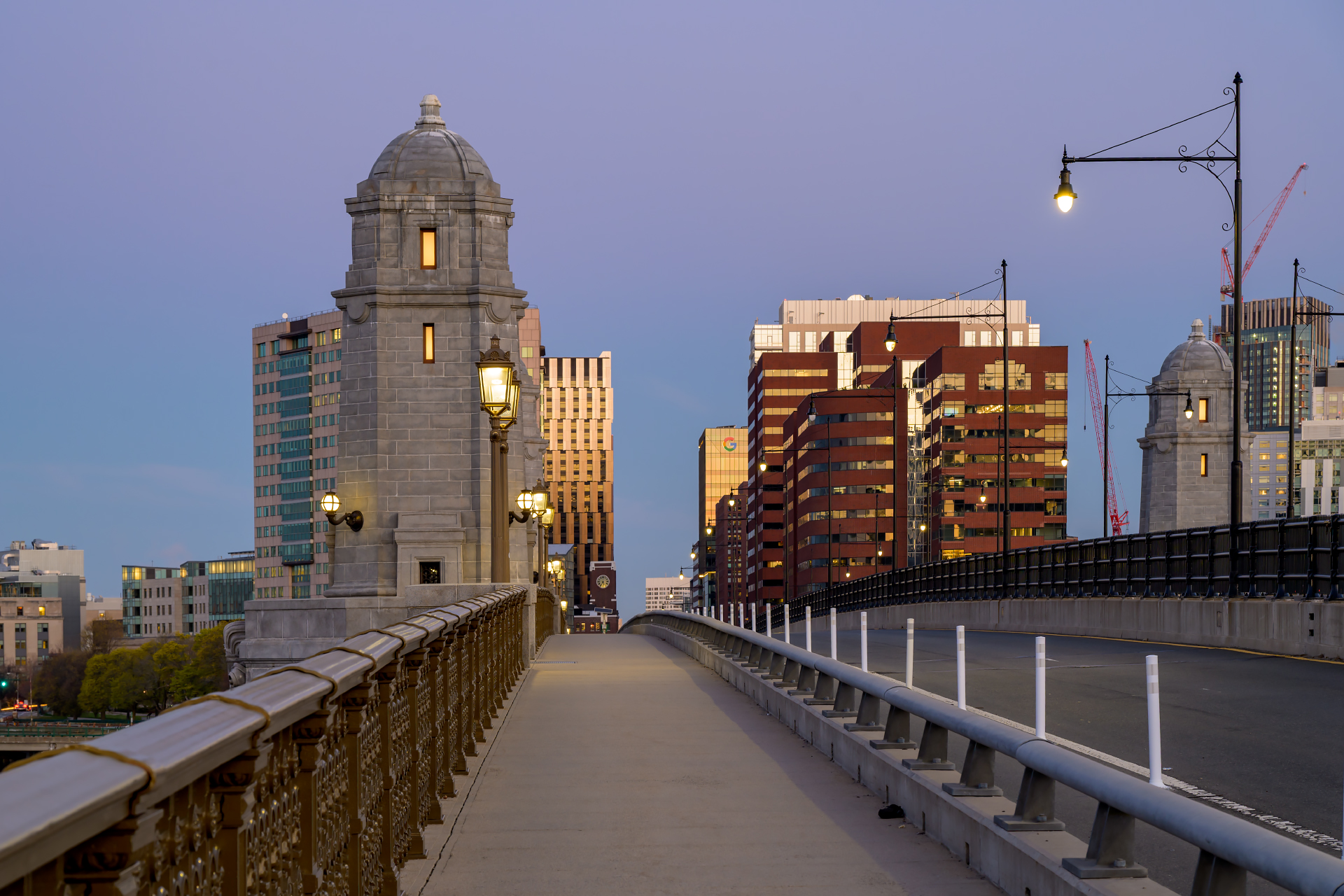
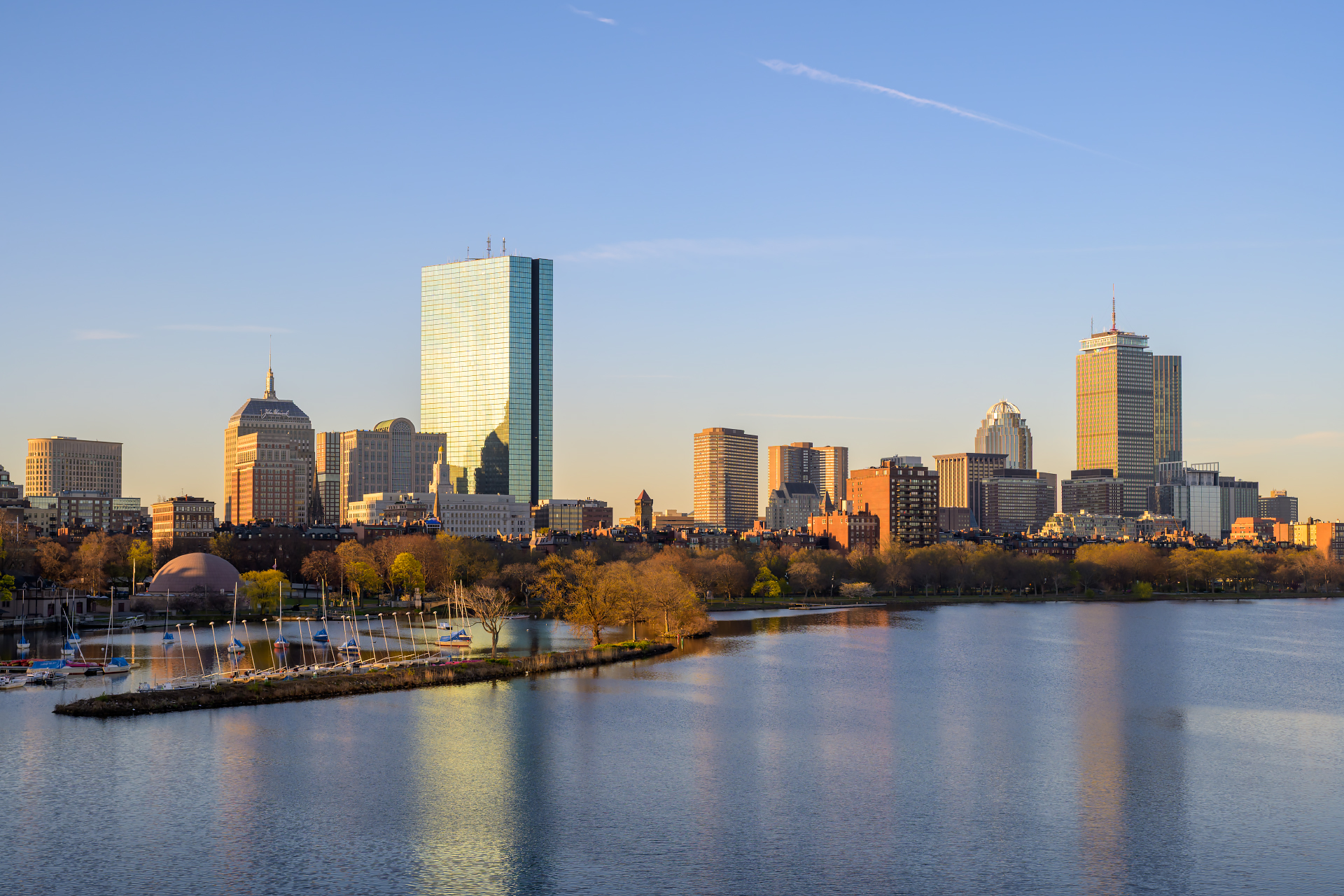
On the water
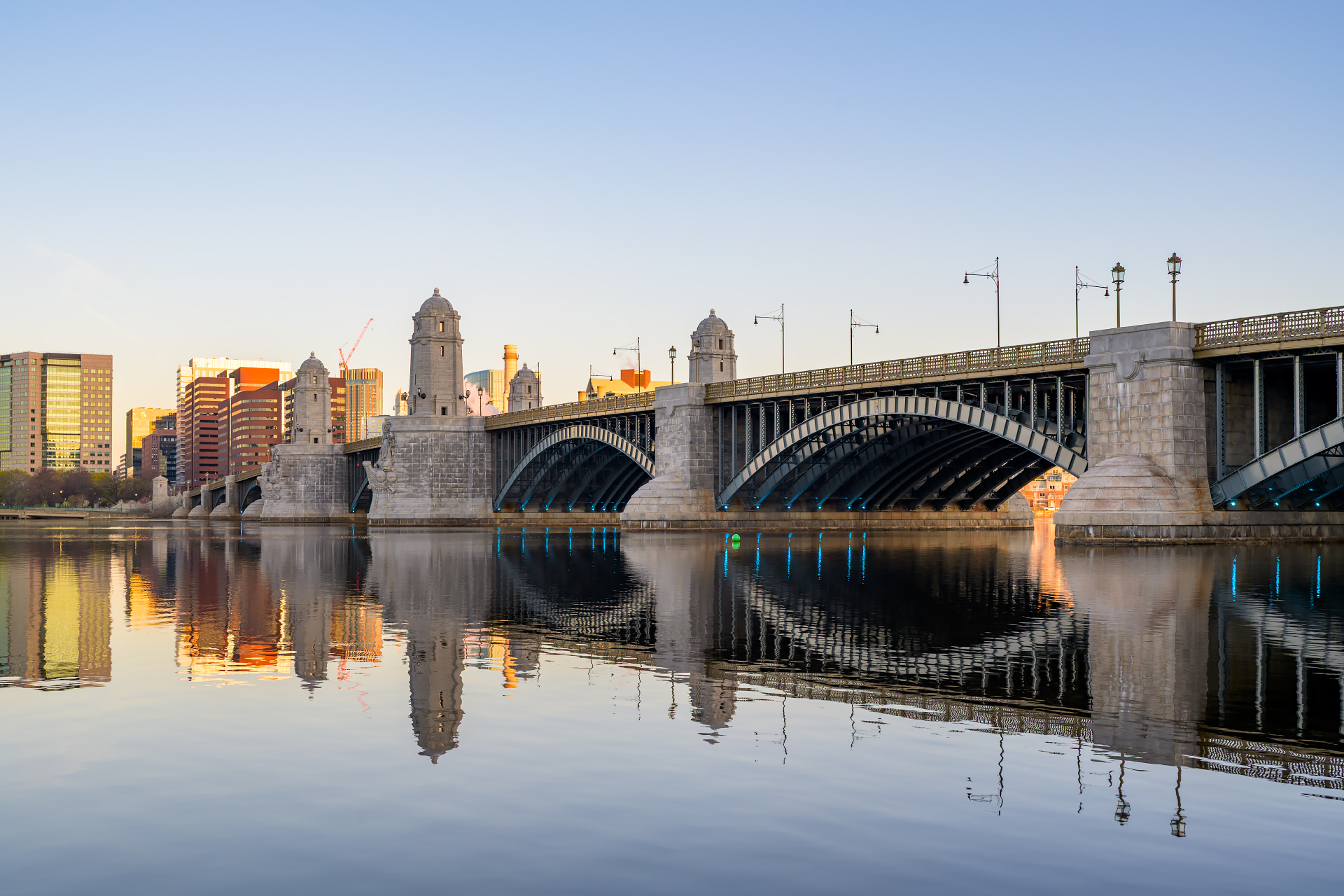
I eventually made my way down to the Charles River bank, where the light was building quickly. The sun had just cleared the skyline and the scene was shifting by the minute — I stopped a few times along the water’s edge and shot the bridge from below.
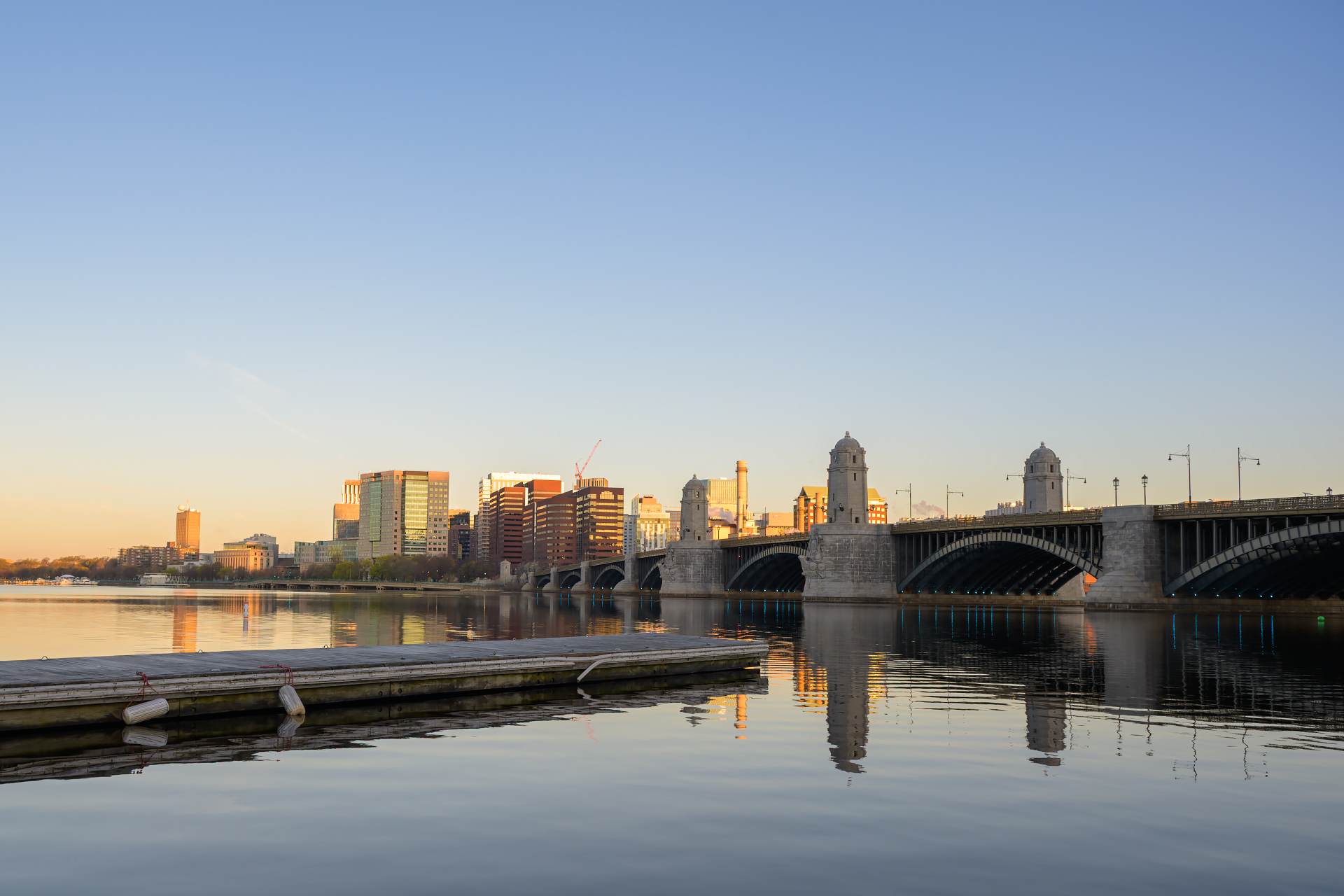
I ended up at the Community Boating area as things were coming to life. A pair of Canada geese drifted through without much interest in me. A couple of rowers were already on the water — flat conditions, barely a ripple — and the whole thing had that quiet, purposeful feeling that early mornings on the river tend to have.
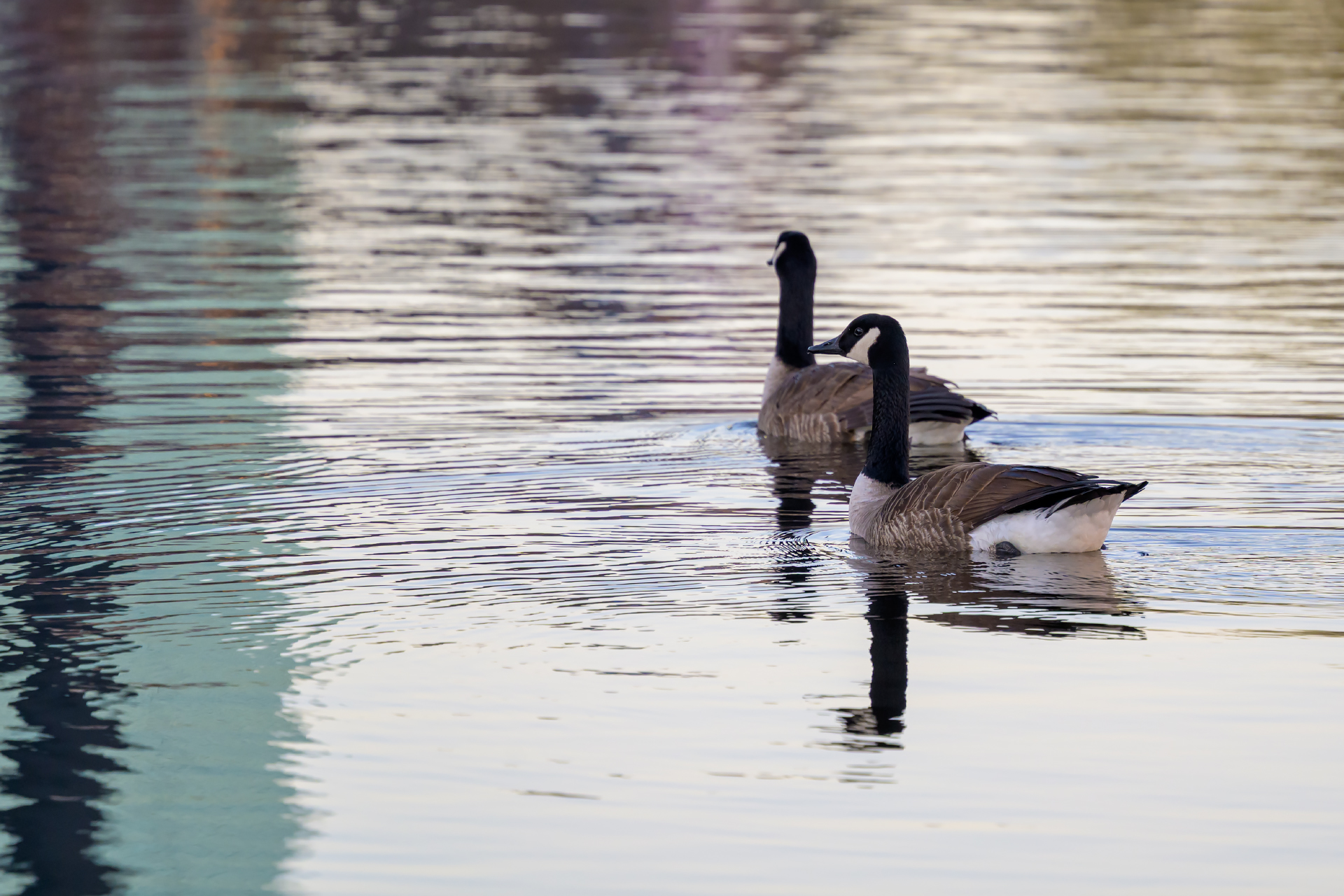
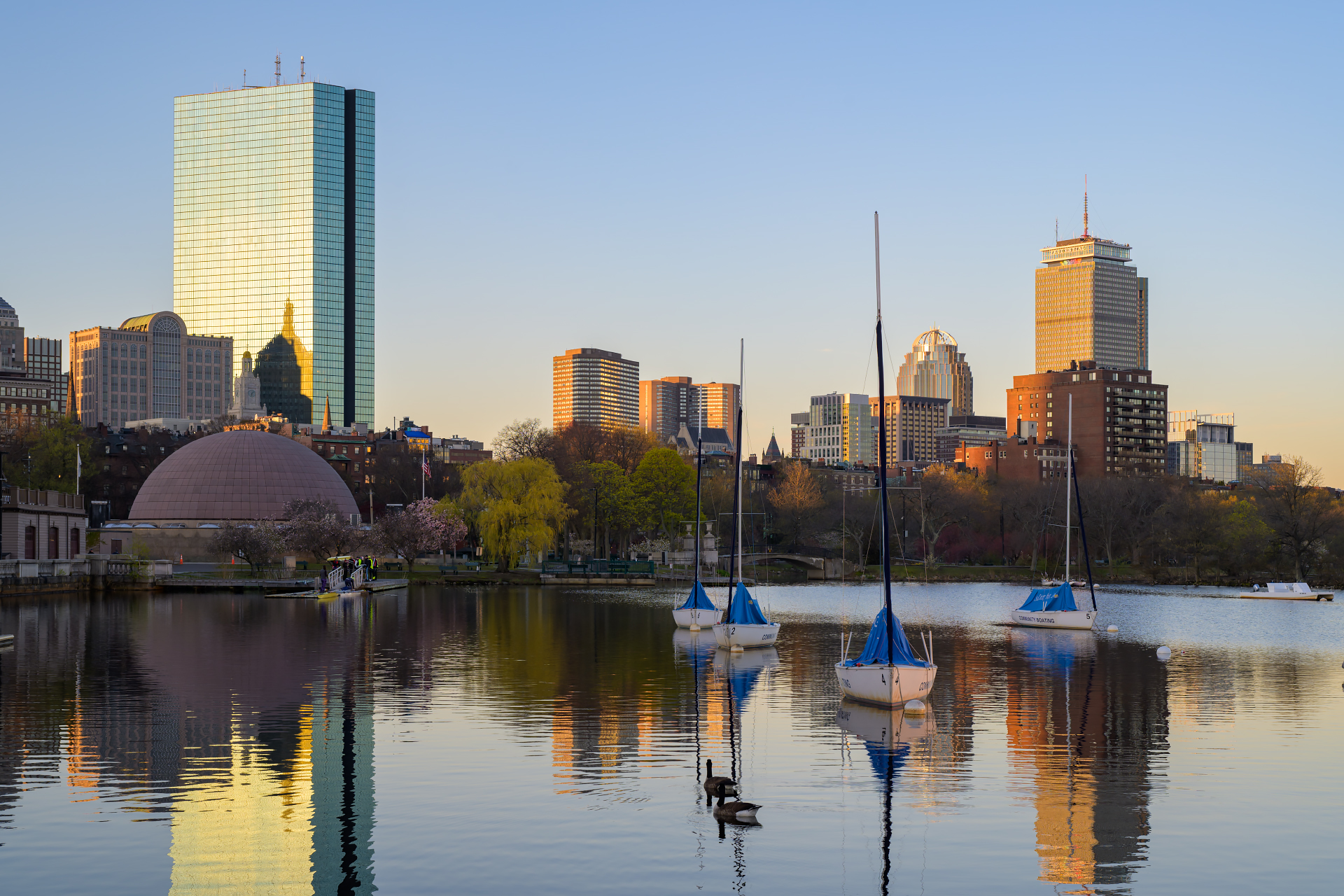
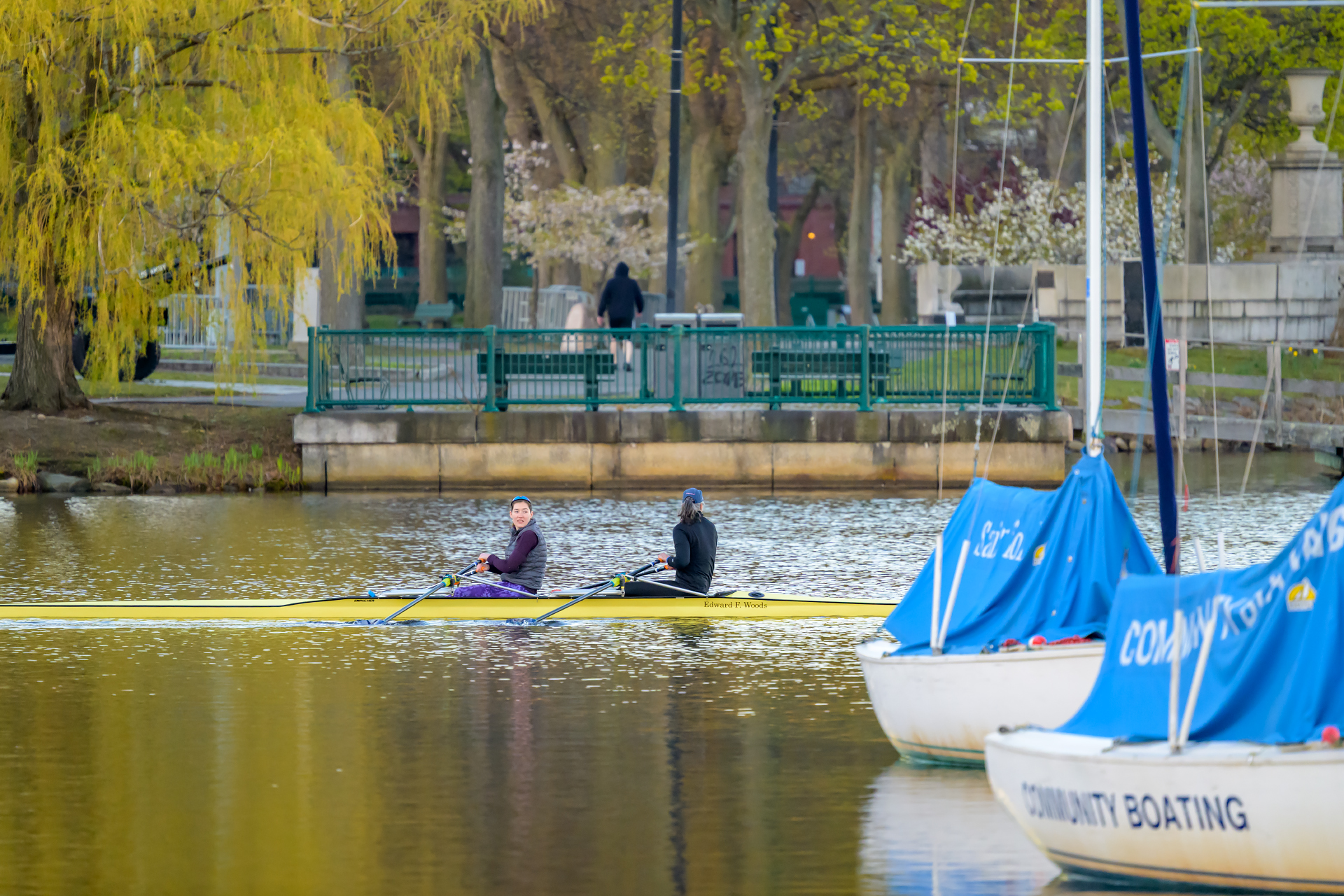

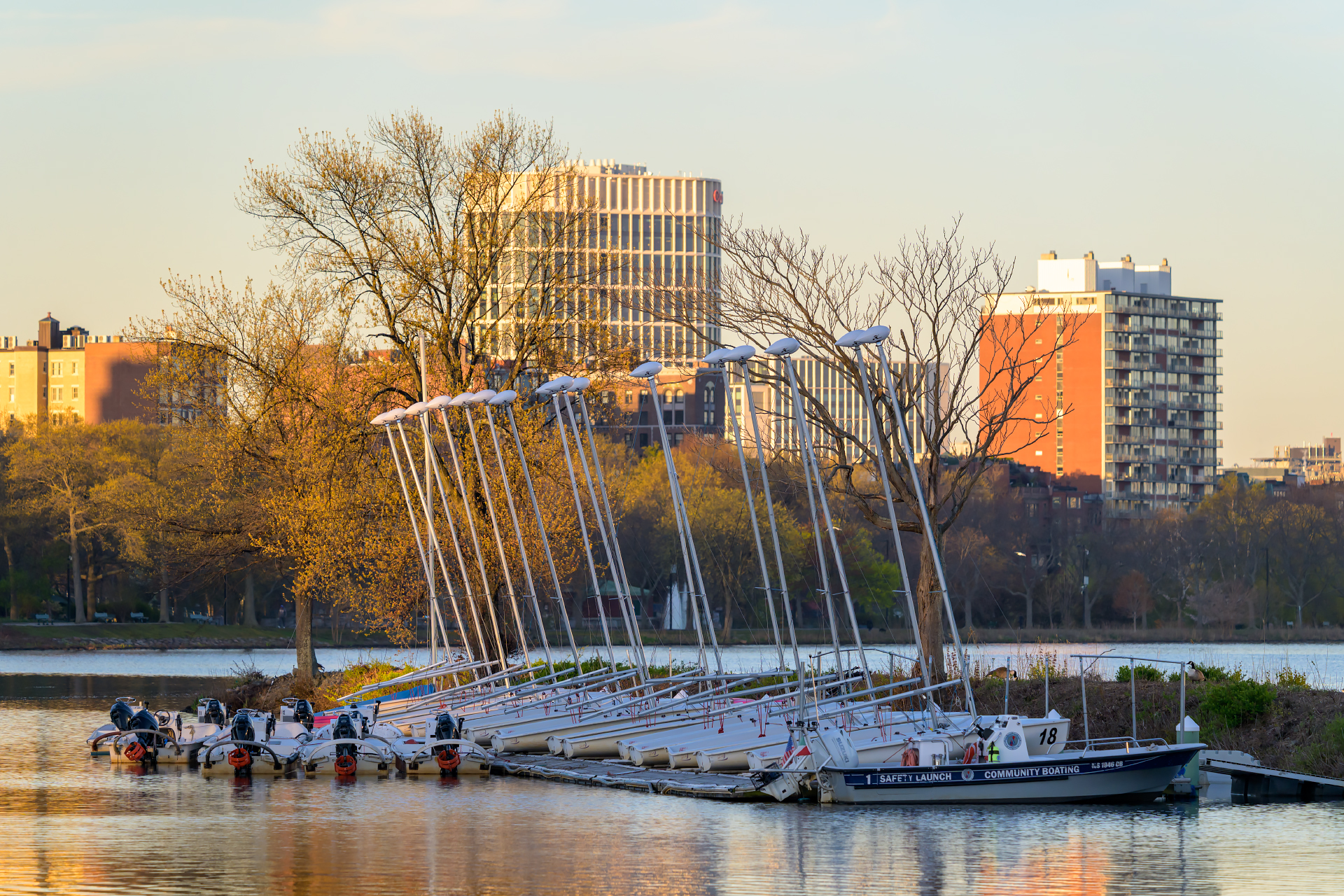
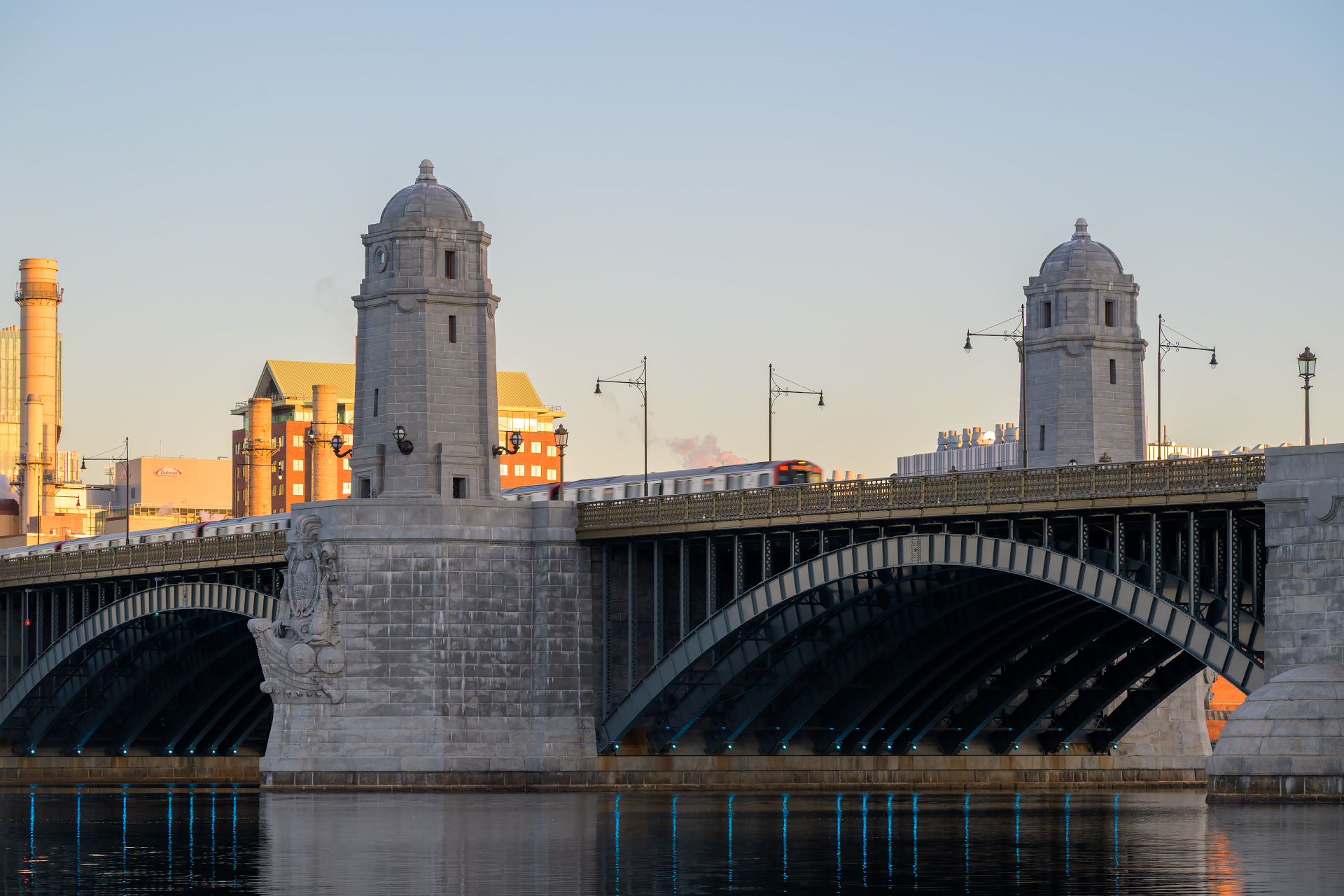
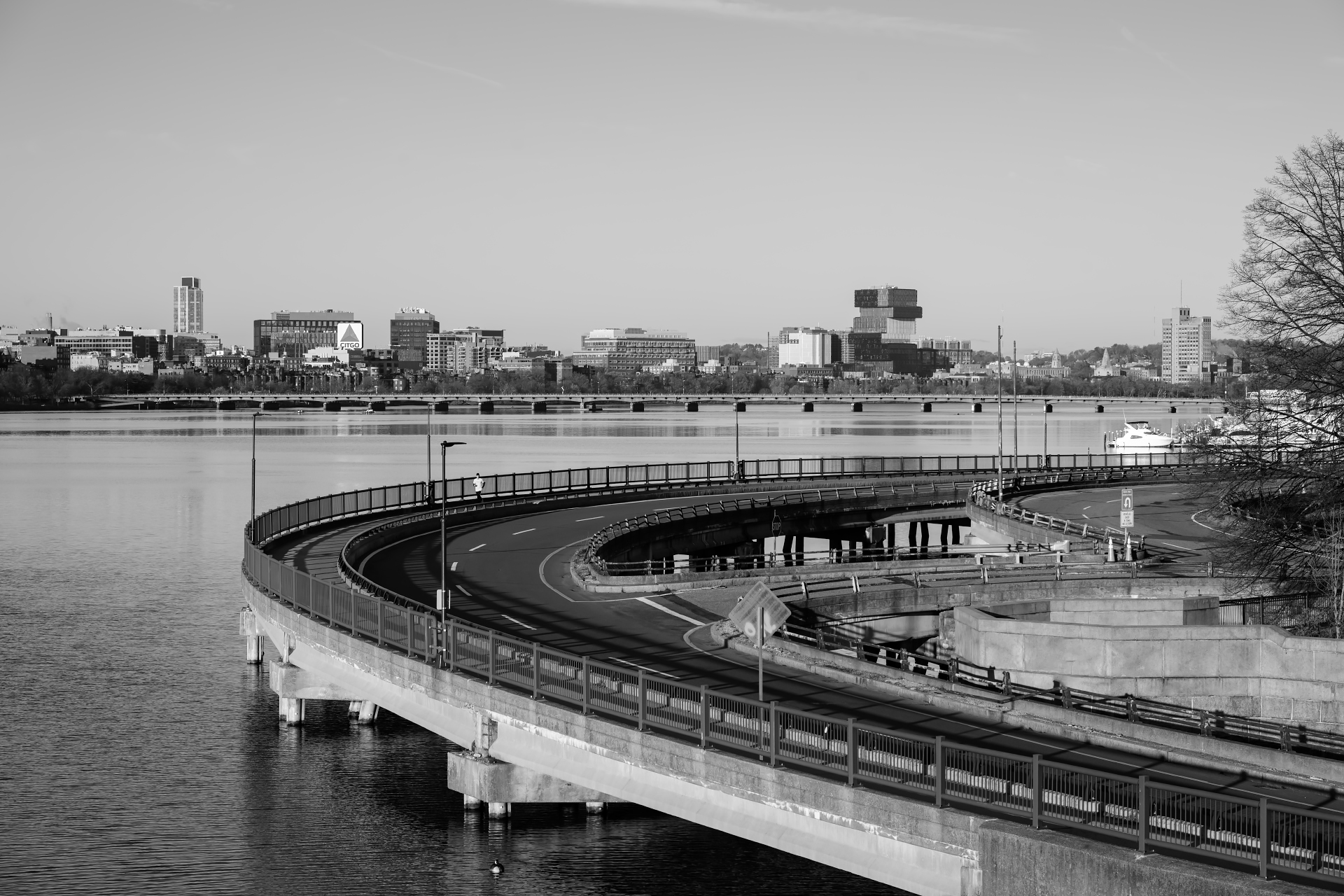
Before heading back, I swapped to my super-telephoto zoom and started picking out details from across the water from the Beacon Hill side of the bridge. The light was still warm and raking, and I spent more time than I planned on the architecture.
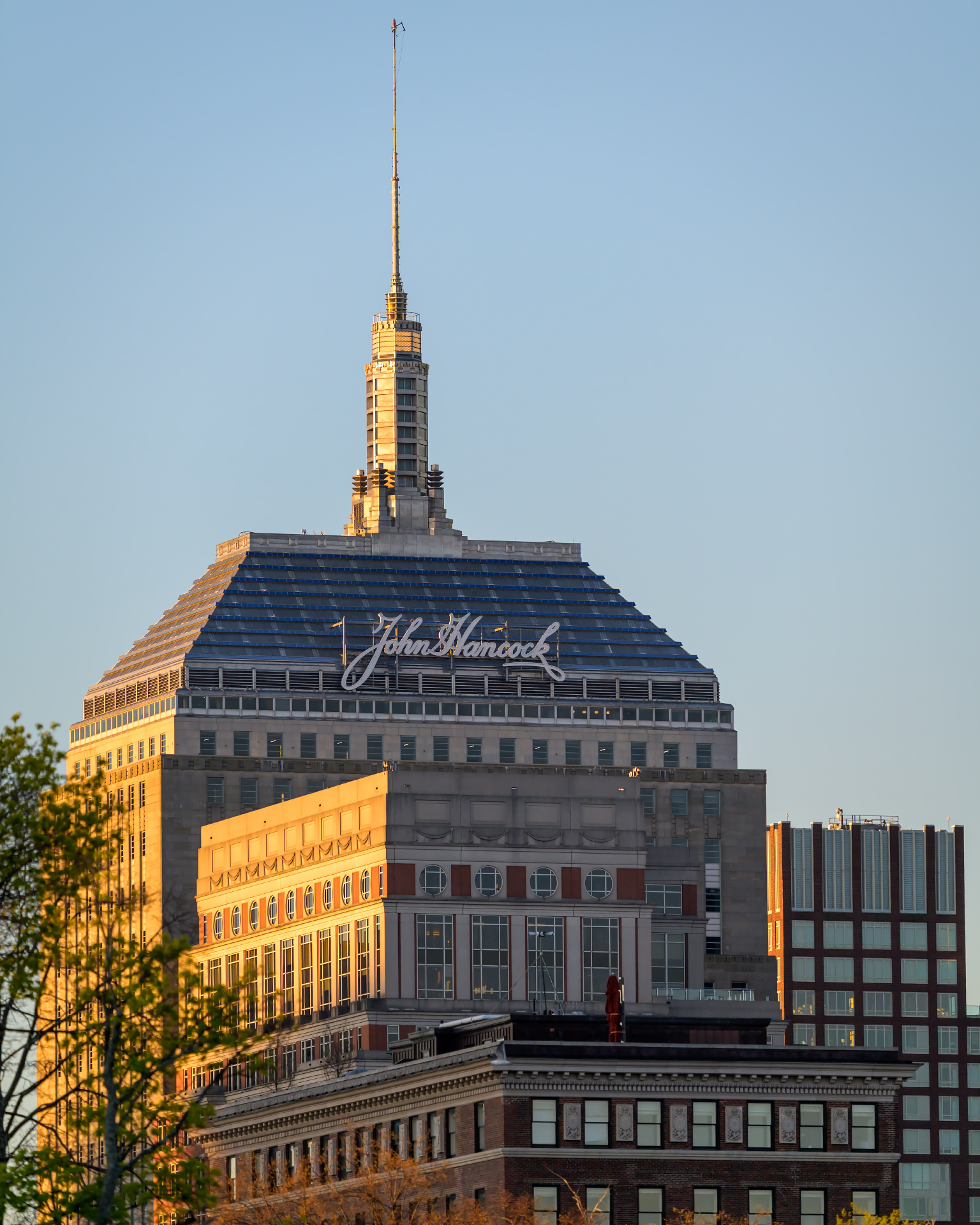
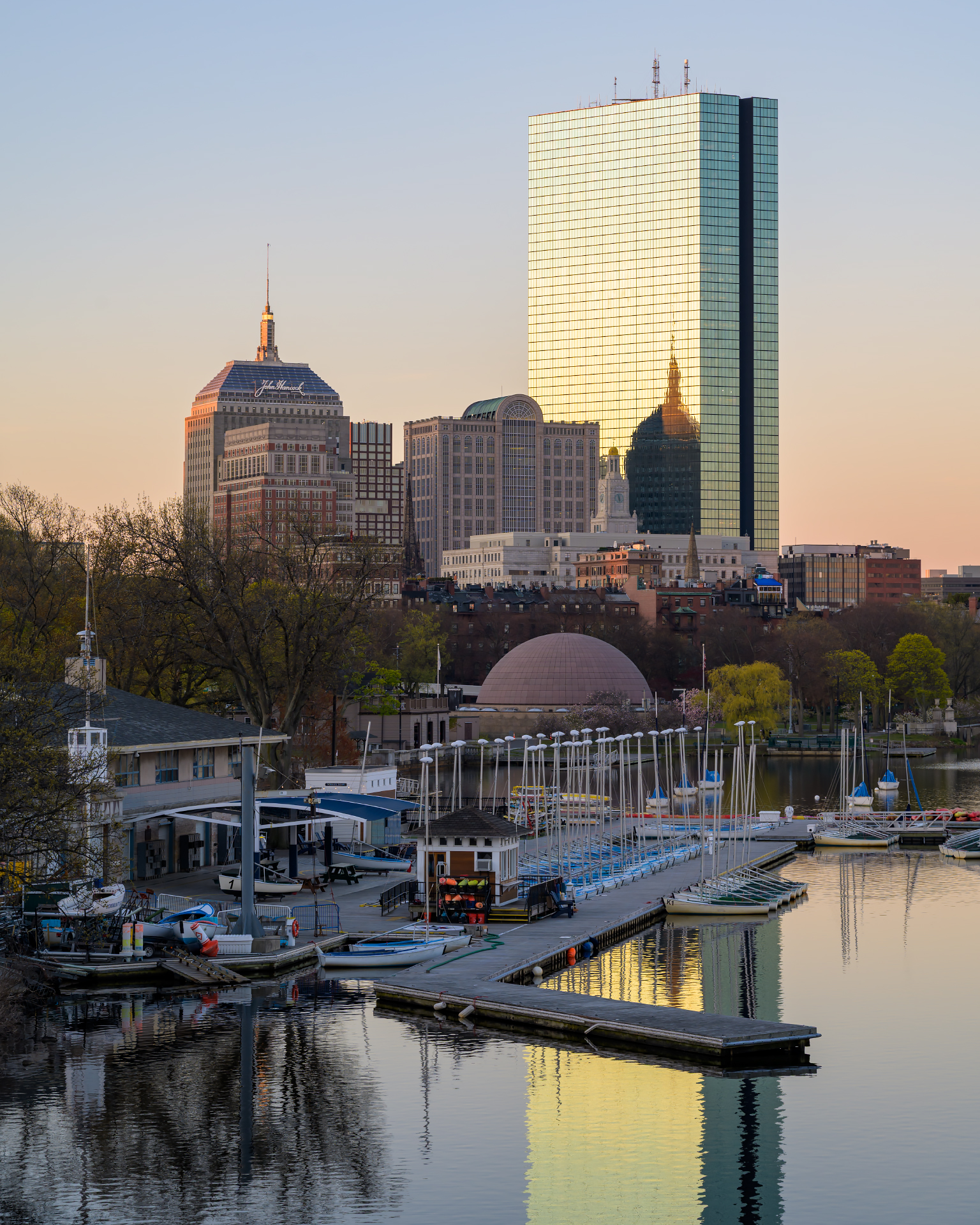
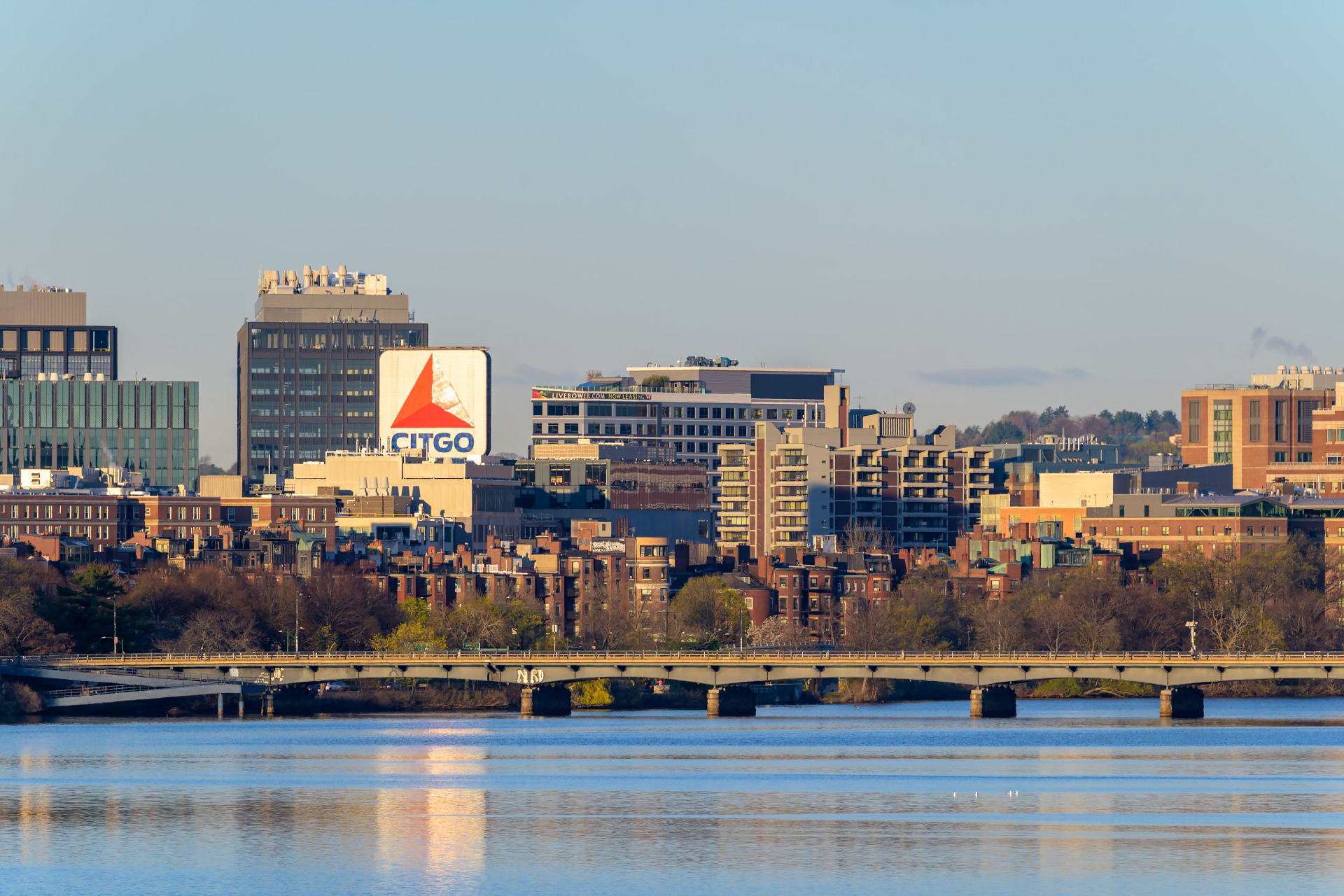
On the way back
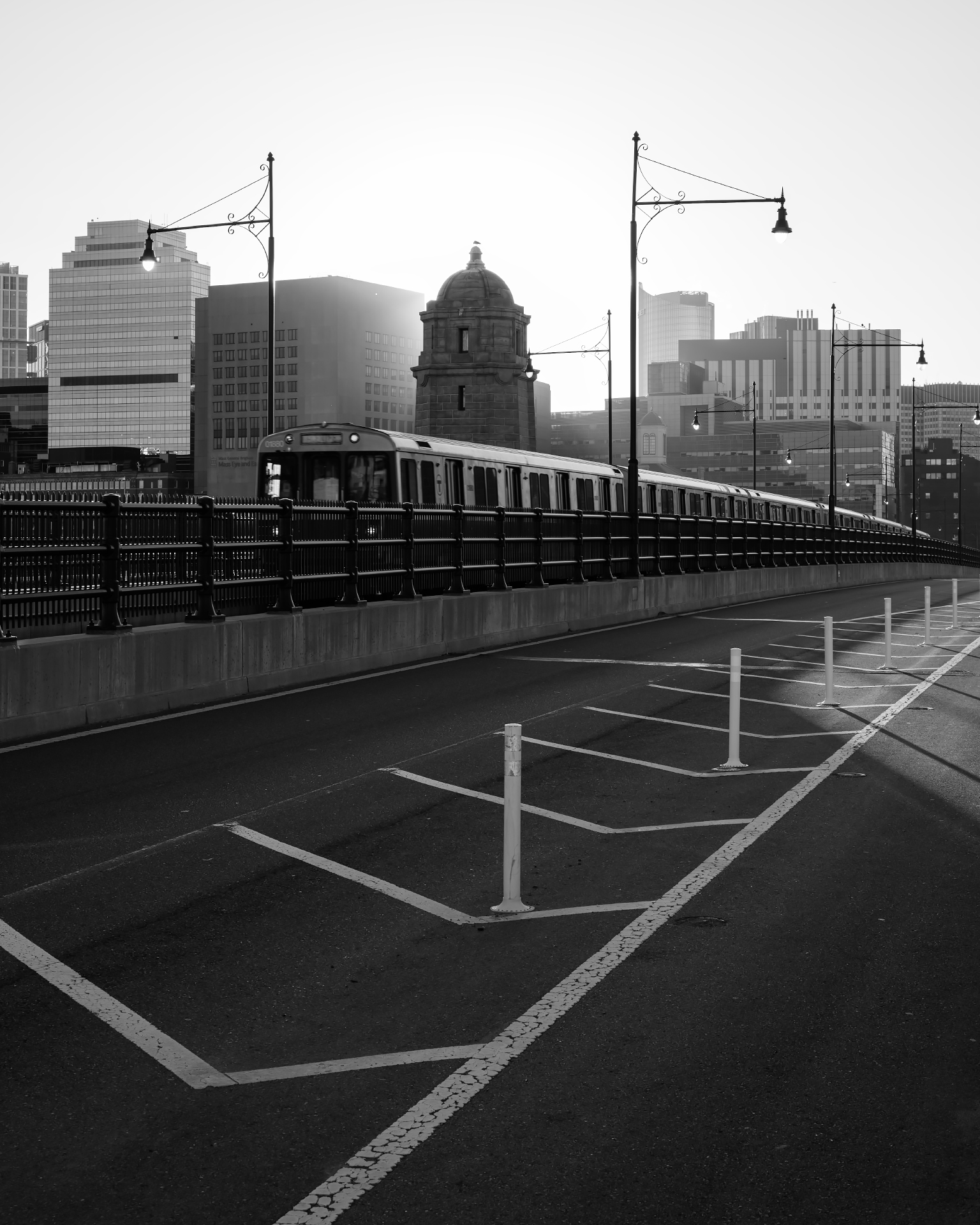
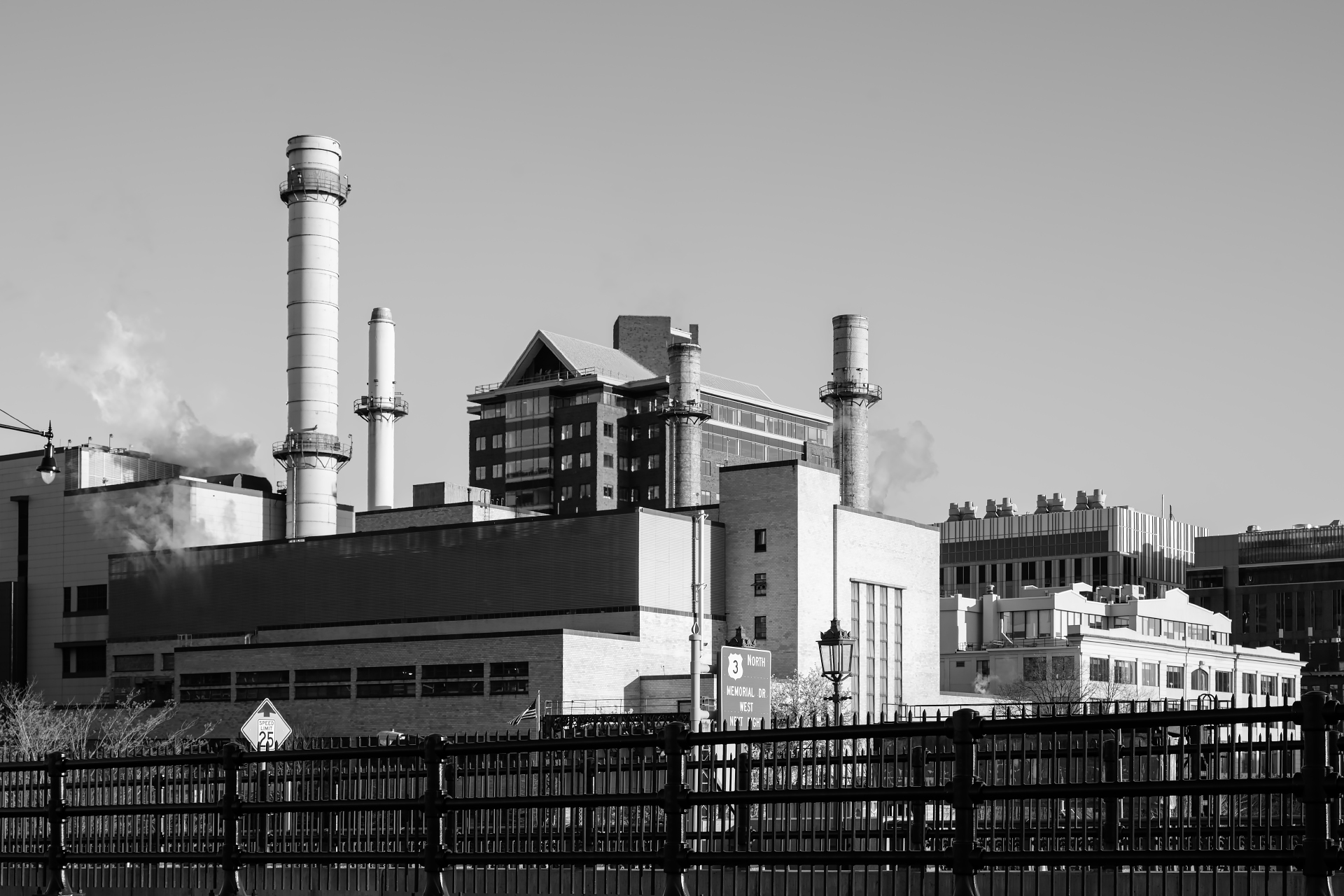
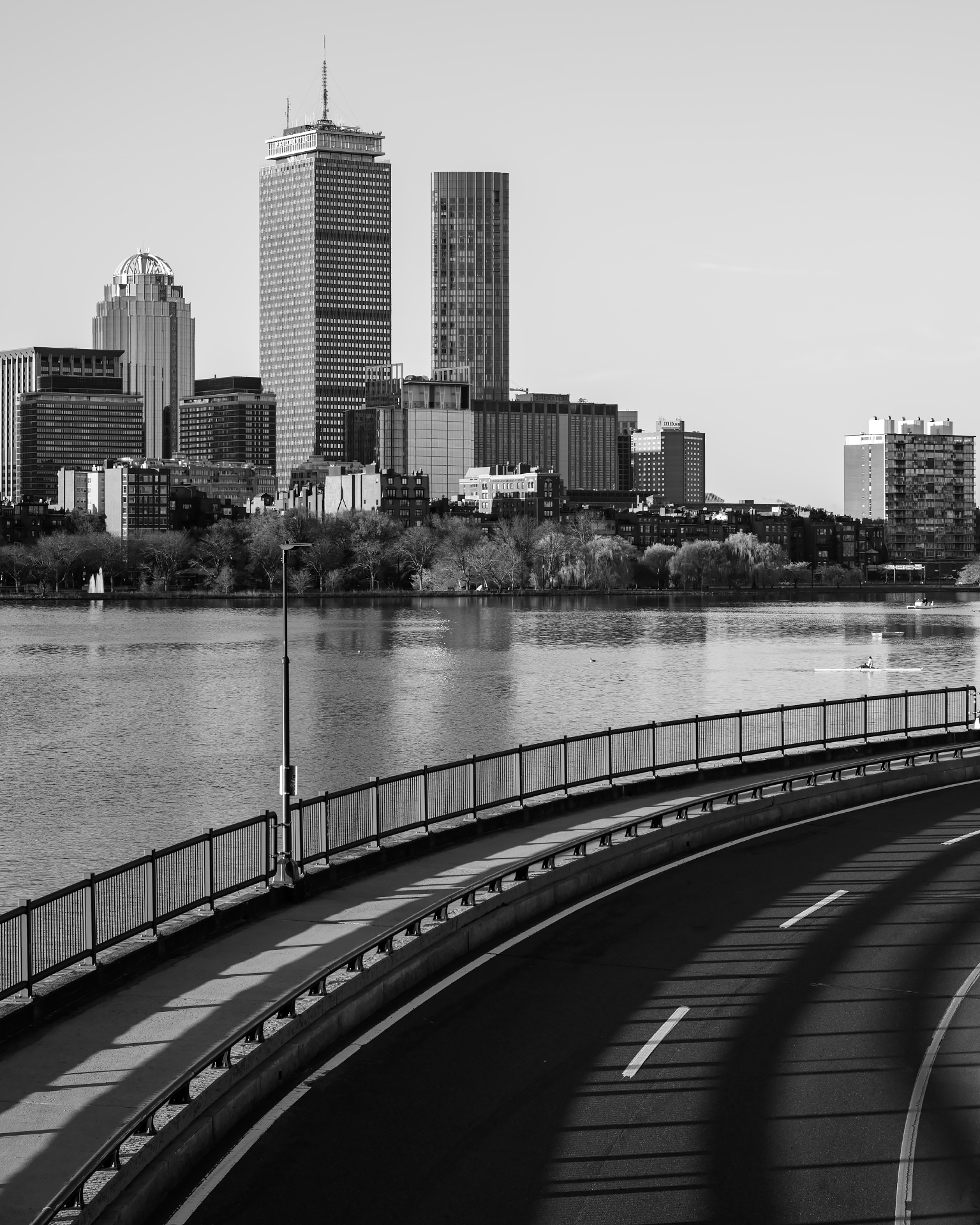
Crossing back over the bridge, the light had shifted enough that I started seeing things differently. More directional, harder shadows. That’s when I moved into black and white. What felt soft and open on the way out became geometric on the return — steel lines, repeating arches, shadows cutting across the frame.
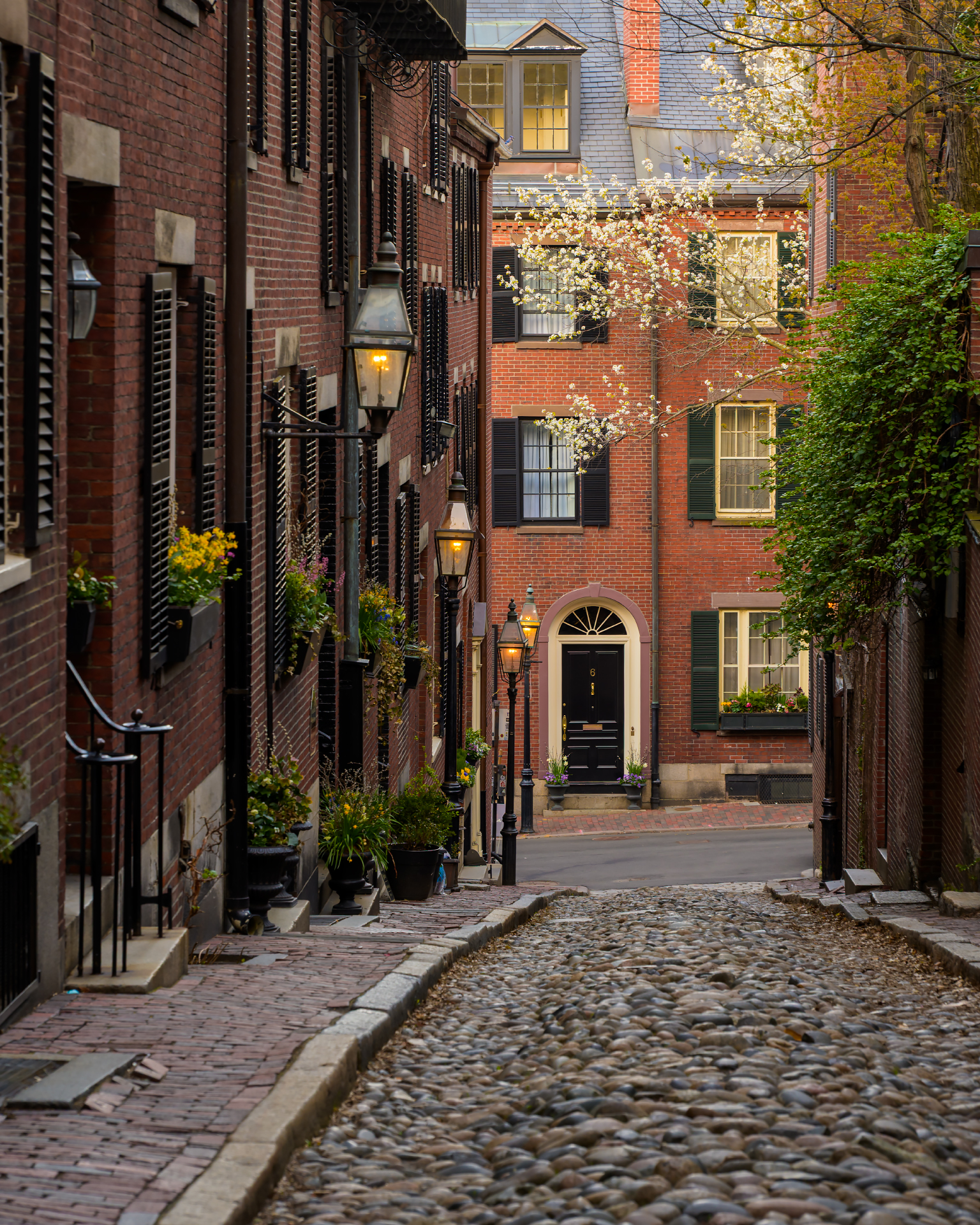
Before heading home, I made a quick detour to Acorn Street — less than ten minutes away. It was still quiet, which isn’t always guaranteed on weekends. I found a parking spot and got one frame before moving on.
By the time I started driving home, the streets were filling in and the quiet window had closed, nothing unusual about it.
Leave a Reply